

Many businesses know they should stay active on social media, but after a few days or weeks, they run out of ideas. Then the page becomes inconsistent. One week there are three posts, the next week there is nothing, and after that the business starts posting only offers or festival creatives.
This is one of the most common problems in digital marketing.
The issue is not that businesses do not want to post. The issue is that they do not have a clear system. Without a plan, content becomes random. And when content becomes random, the page starts looking weak, inactive, and unprofessional.
In 2026, staying active on social media is not about posting every day without purpose. It is about showing up consistently with content that supports your business.
Why weak content damages business trust
Most businesses do not become inactive because they are lazy. They become inactive because they do not know what to post next.
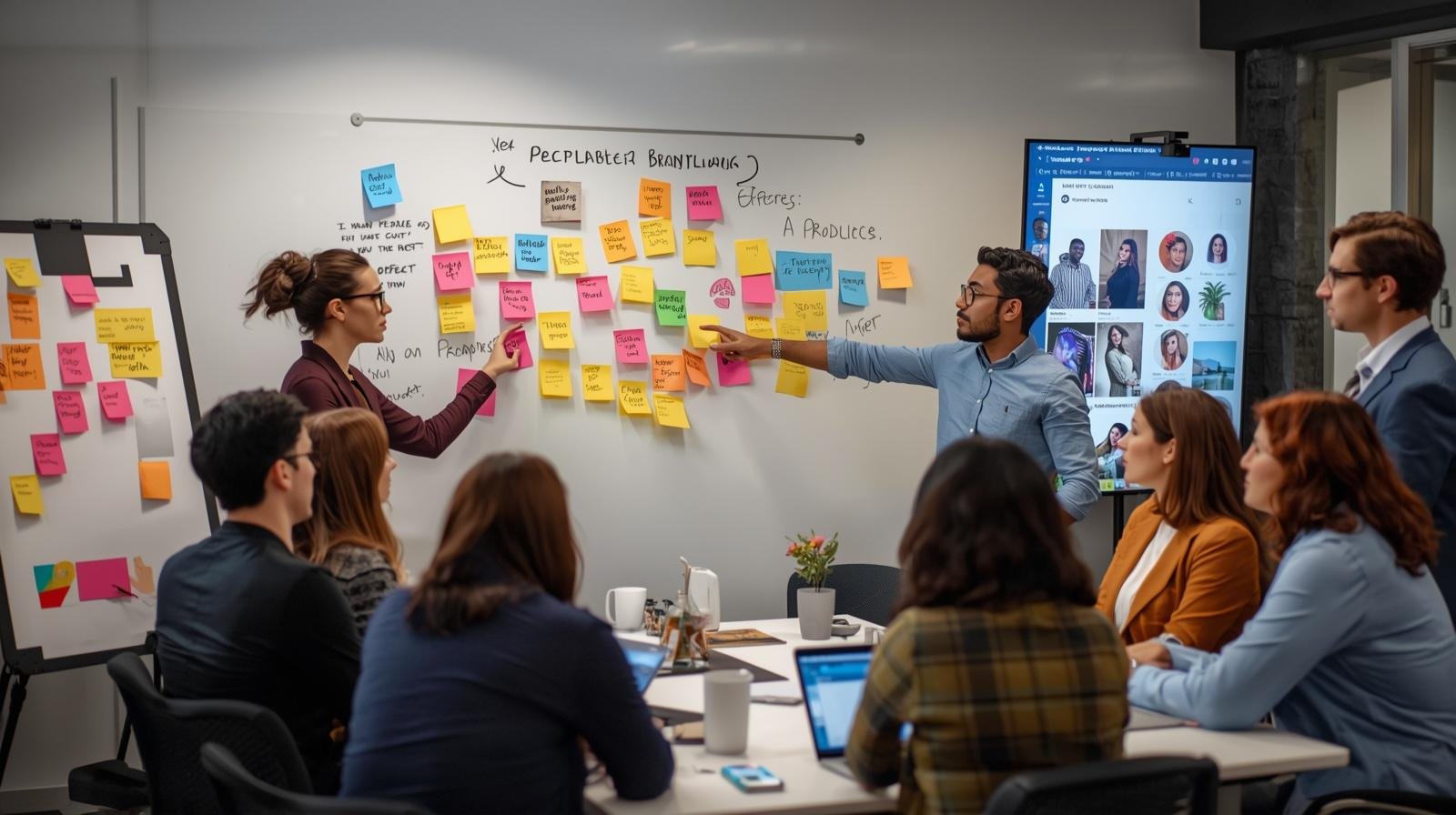
When content is created only at the last minute, it becomes stressful. The business keeps asking:
- What should we post today?
- Should we post an offer?
- Should we post a quote?
- Should we post a product?
- What if we have no design ready?
This confusion leads to inconsistency.
That is why active social media pages are usually not built by motivation alone. They are built by structure.
Being active does not mean posting anything
A lot of businesses make the mistake of thinking that activity alone is enough. So they post random greetings, copied quotes, unrelated visuals, or repetitive promotional designs just to make the page look alive.
But random content does not create real value.
If a page is active but unclear, it still does not build trust properly. Customers may see posts, but they may not understand the business, feel connected to the brand, or find any reason to take action.
That is why the goal should not be to post more. The goal should be to post with direction.
Start with content categories
The easiest way to keep your page active without posting randomly is to create a few simple content categories.
Instead of asking what to post every day, you decide what type of content your business should rotate regularly.
A strong starting mix can include:
- Educational content
- Trust-building posts
- Service or product explanation posts
- Behind-the-scenes content
- Proof or results-based content
- Promotional content
These categories help you stay organized and reduce confusion.
Educational content keeps the page useful
Educational content is one of the best ways to stay active because it gives your audience something meaningful.
This can include:
- Simple tips
- Common mistakes to avoid
- Beginner-friendly explanations
- Answers to customer doubts
- Useful industry insights
Educational posts are powerful because they help your business look knowledgeable and helpful, not just sales-focused.
That builds trust over time.
Trust-building content makes the page feel real
People connect more easily with businesses that feel real and active.
Trust-building content can include:
- Your process
- Your team at work
- Client-related insights
- Business values
- Short thoughts from experience
- Why your service matters
This type of content shows there is a real business behind the page. It helps reduce the distance between your brand and your audience.
Service explanation posts reduce confusion
Many businesses assume customers already understand what they do. That is often not true.
One reason pages stay active but still fail is because the content does not clearly explain the service or product.
That is why service explanation posts are important. They help answer:
- What you do
- How it helps
- Who it is for
- Why it matters
- How customers can take action
This kind of content helps your business look clearer and more professional.
Behind-the-scenes content adds variety
Sometimes the best way to stay active is not by creating more promotional posts, but by showing the work behind the business.
Behind-the-scenes content can include:
- Planning moments
- Design work in progress
- Content creation process
- Office or team activities
- Daily business workflow
- Project preparation
This adds a human side to the page and keeps the content mix fresh.
Proof-based content strengthens credibility
A business page becomes stronger when it includes signs of real work and real outcomes.
Proof-based content may include:
- Client feedback
- Work samples
- Before-and-after examples
- Project highlights
- Completed tasks
- Performance insights where relevant
This type of content is important because it supports trust. It helps the audience feel that your business is not just talking — it is actually doing the work.
Use a simple weekly posting rhythm
You do not need a complicated system to stay active. A simple weekly rhythm is enough.
For example:
- Monday – educational post
- Tuesday – service or product explanation
- Wednesday – behind-the-scenes or trust-building post
- Thursday – educational or problem-solving post
- Friday – proof-based or promotional post
This kind of rhythm keeps the page moving without making content creation feel overwhelming.
Consistency matters more than trying to post everything at once.
Reuse one idea in different formats
Another smart way to stay active is to stop thinking that every post needs a new idea.
One strong idea can become:
- A short video
- A static post
- A carousel
- A blog topic
- A Google Business update
- A LinkedIn post
This saves time and helps your messaging stay consistent.
For example, if the topic is “why better content matters,” you can turn that into multiple content pieces across platforms instead of trying to invent something new every day.
Plan ahead instead of reacting daily
A major reason pages become random is because businesses create content only when they feel pressure.
A better method is to plan ahead.
Even a basic 2-week or 1-month content plan can make a huge difference. When you know what type of content is coming next, you can prepare visuals, captions, and ideas in advance. That makes your page look more stable and professional.
Planning reduces stress. It also improves quality.
What businesses should remember
To keep your social media pages active, focus on:
- Posting with purpose
- Rotating clear content categories
- Reusing strong ideas
- Planning ahead
- Staying consistent
- Balancing useful and promotional content
This approach helps your page feel active without becoming noisy or random.
Social media pages do not stay strong because a business posts every day. They stay strong because the content has structure, consistency, and purpose.
Final thoughts
Keeping your social media pages active is not about constant posting. It is about smart posting.
When businesses stop posting randomly and start using content categories, weekly structure, and simple planning, social media becomes easier to manage and more effective for growth.
An active page should do more than fill space. It should build trust, improve clarity, and keep your brand visible in a meaningful way.
That is how businesses stay active without losing direction.
“Consistency needs structure, not random posting – Without a clear content plan, social media becomes inconsistent and unprofessional. Use content categories to stay organized – Mixing educational, trust-building, promotional, and proof-based posts keeps your page active with purpose. Plan ahead and reuse ideas – A simple weekly schedule and repurposing content help maintain consistency without stress.”
Need Expert Help?
At Syril Infotech, we help businesses plan and manage social media with better strategy, stronger content, and more consistency.
Contact us today to keep your brand active the right way.